
The liver is one of the body’s most impressive “behind-the-scenes” organs. It helps process nutrients from food, produces bile to support digestion, stores and releases energy, and transforms many compounds so they can be used, recycled, or safely removed.
That’s why questions like “What food is good for liver detox?” and “How can I repair my liver naturally?” are so common. The short answer is that your body already has a built-in detoxification system — and the most reliable way to support it tends to be less about quick fixes and more about daily inputs.
This article covers what science suggests about food-first liver support, what “liver cleanse” marketing often gets wrong, and where liver supplements may (or may not) be useful.
1) “Liver detox” vs liver function: a helpful distinction
The term liver detox is widely used, but it often implies something the liver is failing to do unless we intervene with a cleanse or a product.
In reality, detoxification is not a one-off event — it’s a continuous set of processes your liver performs every day. These processes include enzyme pathways that transform compounds into forms that are easier to eliminate, as well as bile production, antioxidant protection, and metabolic regulation.
If you’d like a deeper explanation of how the liver, kidneys, gut, and skin work together to process and eliminate compounds, see How Your Body Detoxifies Naturally & How to Support It.
So rather than asking “How do I detox my liver quickly?”, a more useful question is: What daily habits reduce liver stress and support normal liver function over time?
2) What food is good for liver health?
There isn’t one “magic” food. The most consistent evidence points to dietary patterns — especially those that support metabolic health (blood sugar regulation, healthier lipids, lower visceral fat), because metabolic dysfunction is a major driver of fatty liver risk.
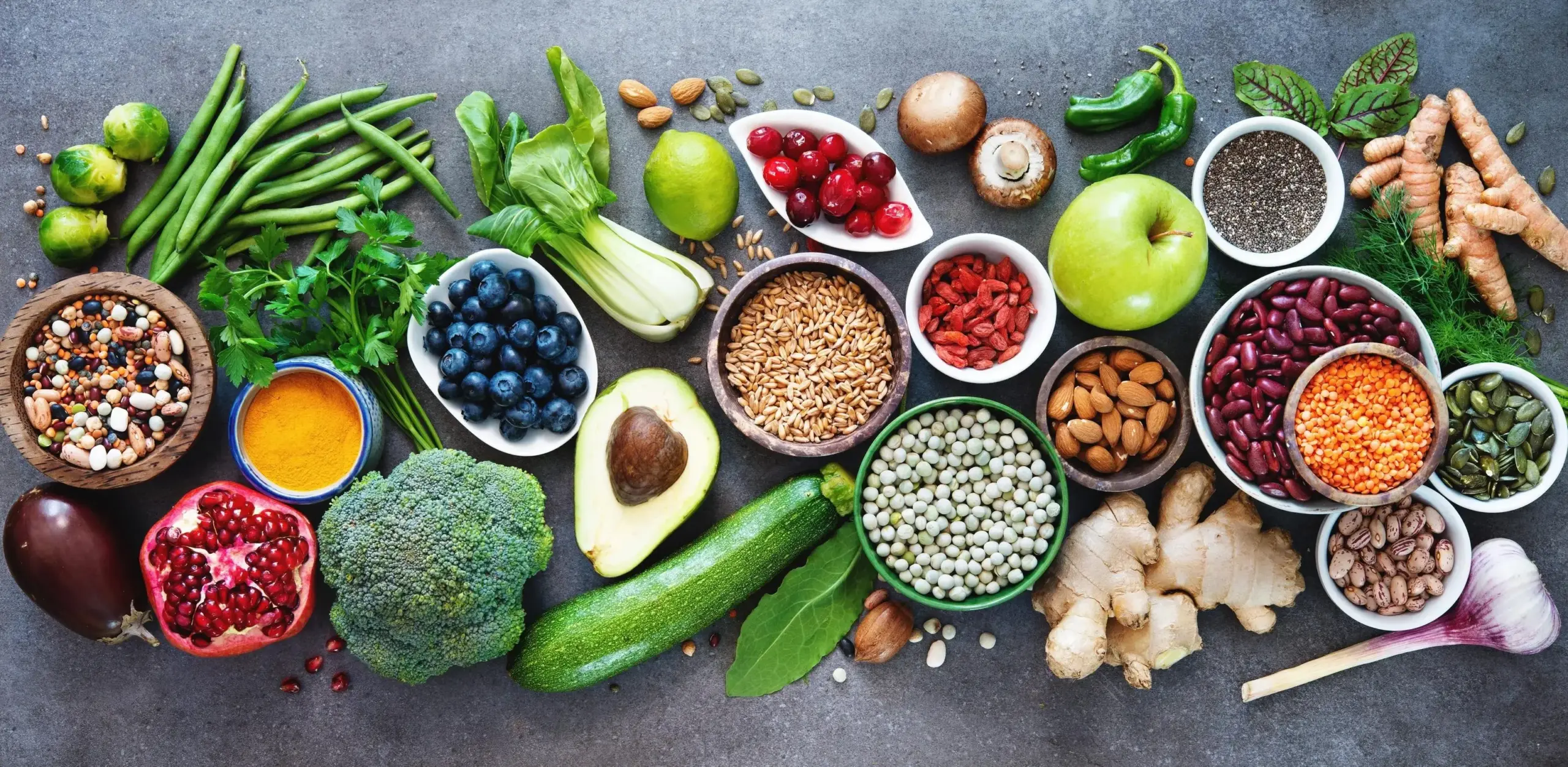
For a practical starting point, see 5 Foods That Help Your Body Detox Naturally — No Cleanses Required for food examples you can actually use day to day.
A Mediterranean-style eating pattern (repeatably supported)
Multiple systematic reviews and trials suggest that Mediterranean-style dietary patterns can improve markers relevant to fatty liver, including liver fat/steatosis and insulin resistance, in people with NAFLD (now often referred to as MASLD). This tends to reflect the pattern as a whole: fibre-rich plants, legumes, nuts, olive oil, fish, and lower intakes of ultra-processed foods.
Coffee (surprisingly strong evidence in observational research)
Coffee is one of the most consistently studied dietary exposures in liver research. Meta-analyses suggest coffee intake is associated with favourable liver-related outcomes (including lower risk of fibrosis and cirrhosis in certain populations). These are associations rather than guaranteed cause-and-effect — but they’re notable because they show up repeatedly across studies.
Green tea: promising, but dose and context matter
Green tea (and its catechins) has been studied in relation to liver enzymes and fatty liver outcomes. Some meta-analyses report improvements in liver enzymes in NAFLD, but findings can vary, and concentrated extracts are not the same thing as brewed tea — context matters.
Review the break down the evidence (and the nuance around extracts vs brewed tea) in Green Tea: A Science-Backed Supplement for Health and Longevity.
Fibre and gut-liver support
Fibre-rich foods (vegetables, legumes, oats, whole grains, berries) support bowel regularity and help shape gut metabolism. This matters because the gut and liver are closely connected via the portal circulation (often discussed as the gut–liver axis). Practically, a fibre-forward diet also tends to displace ultra-processed foods, which supports weight and metabolic health.
3) How can I “repair” my liver naturally?
The liver has genuine regenerative capacity, but “repair” depends heavily on what is driving the strain in the first place.
From a lifestyle perspective, the most evidence-based “repair inputs” are typically:
- Reducing or removing the major stressor (e.g., alcohol excess, sustained calorie surplus, ultra-processed dietary pattern)
- Improving metabolic markers via nutrition and activity
- Supporting sleep and stress management, because these affect appetite regulation and insulin sensitivity over time
This can feel less exciting than a cleanse — but it is where the strongest long-term evidence sits.
4) Which supplement is best for your liver?
If you search online for liver detox supplements or liver cleanse products, you’ll see everything from herbs to “binders” to aggressive laxative-style blends. A more scientific view is:
- Supplements are not a substitute for the fundamentals (diet, weight trajectory, alcohol moderation, sleep, activity).
- Evidence varies wildly by ingredient, population, dose, and outcome being measured.
- “Best” depends on what you’re aiming to support — and whether there is an actual deficiency or a specific clinical context.
5) A food-first approach (with supplements as optional add-ons)
If your goal is “liver health” in the real world, the best stack usually looks like:
- A Mediterranean-leaning pattern most days
- Enough fibre and protein to support appetite regulation and metabolic health
- Consistent movement (even modest, but regular)
- Sleep that supports hormonal regulation and recovery
- Sensible scepticism around “cleanses” that promise rapid results
Supplements can sit on top of this — but they tend to work best as supporting actors, not the main plot.
References
- Hayat U, Siddiqui AA, Okut H, Afroz S, Tasleem S, Haris A. The effect of coffee consumption on the non-alcoholic fatty liver disease and liver fibrosis: A meta-analysis of 11 epidemiological studies. Ann Hepatol. 2021 Jan-Feb;20:100254. PMID: 32920163.
- Kawaguchi T, Charlton M, et al. Effects of Mediterranean Diet in Patients with Nonalcoholic Fatty Liver Disease: A Systematic Review, Meta-Analysis, and Meta-Regression Analysis of Randomized Controlled Trials. Semin Liver Dis. 2021 Aug;41(3):225-234. PMID: 34147036.
- Mahmoodi M, Hosseini R, et al. Effects of green tea or green tea catechin on liver enzymes in healthy individuals and people with nonalcoholic fatty liver disease: A systematic review and meta-analysis of randomized clinical trials. Phytother Res. 2020 Jul;34(7):1587-1598. PMID: 32067271.
- Sakata R, Nakamura T, Torimura T, Ueno T, Sata M. Green tea with high-density catechins improves liver function and fat infiltration in non-alcoholic fatty liver disease (NAFLD) patients: a double-blind placebo-controlled study. Int J Mol Med. 2013 Nov;32(5):989-94. PMID: 24065295.